
Driveway Problems? It Might Be Your Base, Not Your Pavement
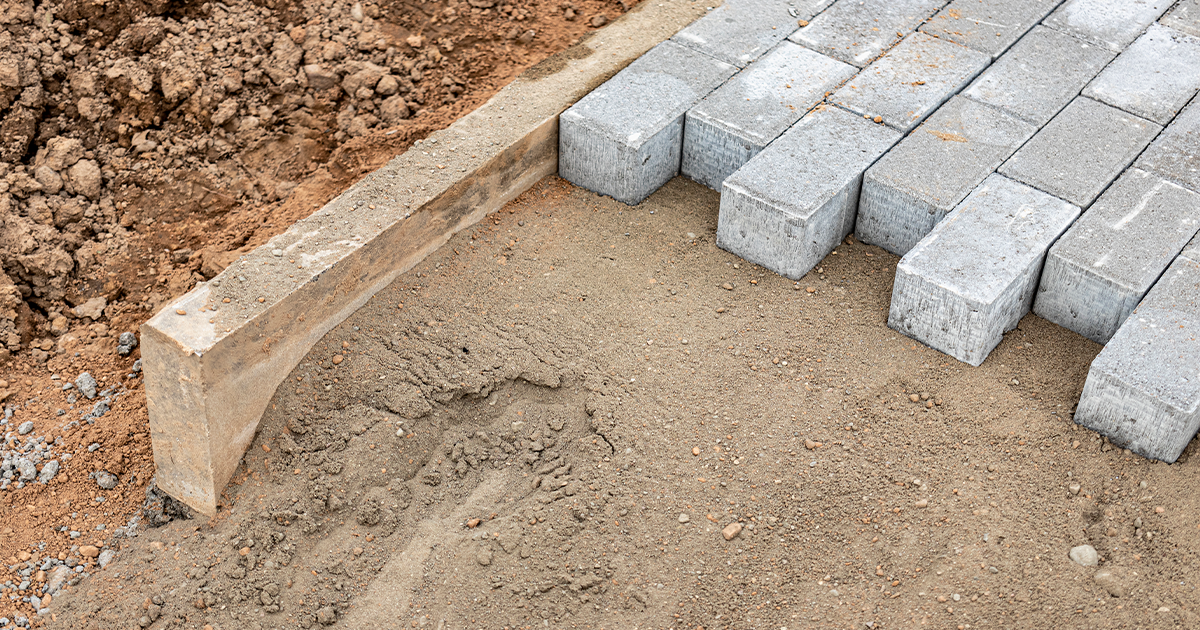
If your driveway is cracking, heaving, or developing potholes within a few years of being installed or repaved, the problem is almost certainly not the asphalt or concrete on top. It is what is underneath. In Ontario's climate, where freeze-thaw cycles are severe and soil conditions vary dramatically across Simcoe County and Muskoka, a driveway is only as reliable as the base it is built on.
Understanding what actually causes most driveway failures, and what proper base preparation looks like, will save you from paying for the same repairs repeatedly.
Why Ontario Driveways Fail
Most homeowners assume that a cracked or heaving driveway means the pavement itself was low quality, applied too thin, or simply worn out. In reality, the pavement is almost never the root cause. Here is what is actually happening in most cases.
Freeze-thaw heaving
Ontario winters are relentless on driveways. When water infiltrates the base layer or the subgrade beneath your driveway and freezes, it expands. When it thaws, it contracts. This cycle repeats dozens of times every winter, and each cycle creates movement in the material below the pavement. Over time, this movement causes cracks, surface heaving, and uneven settling that no amount of crack-filling will permanently fix. The fix has to start below the surface.
Poor drainage in the base layer
Water that cannot drain away from a driveway base has nowhere to go but into the subgrade. Once it saturates the soil beneath your driveway, you have a soft, unstable foundation that will shift and settle under load. This is the same drainage dynamic that causes problems in yards, around foundations, and underneath hardscaping structures as discussed in our post on yard drainage warning signs. A driveway is no different.
Insufficient base depth
In Ontario, a properly built driveway base typically requires 8 to 12 inches of compacted granular material below the finished surface. Many driveways, particularly older ones or those installed by contractors cutting costs, have bases that are too shallow to handle the frost and load demands placed on them. Thin bases compress and move, and the pavement on top follows.
Poor subgrade preparation
Before any base material goes down, the native soil underneath needs to be properly excavated, graded, and compacted. Soft spots, organic material, and unstable soil must be removed or stabilized. Laying a base over unprepared subgrade is building on an unstable foundation, and the results show up within a season or two.
What Proper Driveway Base Preparation Looks Like
At Superior Property Group, driveway preparation is not just a preliminary step. It is the core of the work. The same principle that applies to all of our projects, that everything lasting starts below the surface, is covered in detail in our post on how residential excavation sets the foundation for every outdoor project. A properly prepared driveway base involves:
Excavation to the appropriate depth: Removing existing material and native soil to the depth required for your driveway's load demands and Ontario's frost conditions.
Subgrade assessment and stabilization: Identifying and addressing soft spots, high organic content areas, or unstable soil before any base material is placed.
Proper grading for drainage: The base must be graded to direct water away from the driveway edges and toward appropriate drainage areas. A flat base traps water. A properly graded base moves it.
Compacted granular base installation: High-quality crushed stone or road base aggregate placed in compacted lifts to the required depth. This is what gives the driveway its structural strength.
Edge preparation: The edges of a driveway are its most vulnerable points. Proper edge preparation and containment prevent the base from spreading outward under load.
Only after all of this base work is complete is it time for the paving contractor to apply the finished surface. The pavement is the finish coat. The base is the structure.
When to Call a Professional Instead of Repaving
If you are facing any of the following situations, repaving over the existing base is not the right answer. You need proper base work first:
Driveway sections are heaving or uneven, not just cracked at the surface
Cracks are wide, jagged, or recurring in the same locations after repairs
The driveway surface is soft or spongy in certain areas, particularly in spring
Water pools on or beside the driveway after rain
The driveway was installed on a new lot or over recently disturbed soil
In all of these cases, the base or subgrade is the issue. Resurfacing without addressing it is money spent that will need to be spent again within a few years.
We serve homeowners and property owners across Barrie, Simcoe County, Midland, Oro-Medonte, Muskoka, Vaughan, Richmond Hill, and the Greater Toronto Area. Driveway preparation work is often combined with broader grading and drainage improvements, making it a natural part of a full property improvement project like the ones we walk through in our piece on transforming raw land into outdoor living space.
Is your driveway showing signs of base failure? Contact Superior Property Group for a free assessment. We will diagnose the real cause of your driveway problems and give you a clear plan that fixes them at the source.
Frequently Asked Questions
How deep should a driveway base be in Ontario? For a standard residential driveway, a base of 8 to 12 inches of compacted granular material is typically recommended. Heavier use driveways or sites with poor subgrade conditions may require more.
Can I fix my driveway by just repaving over it? Only if the base is structurally sound and the cracks are purely surface-level. If the base is compromised, repaving will fail in the same spots within a season or two. Base assessment first.
How long does driveway base preparation take? Most residential driveway preparation projects are completed in one to two days. Larger properties or sites requiring significant excavation may take longer.
Does base preparation require a permit? Typically no, but if the project involves significant grade changes or drainage work it may depend on your municipality. We review requirements as part of every project.
Superior Property Group | Simcoe County, Muskoka and the GTA | superiorpropertygroup.ca
