
How to Prepare Your Property's Grading and Drainage Before Winter
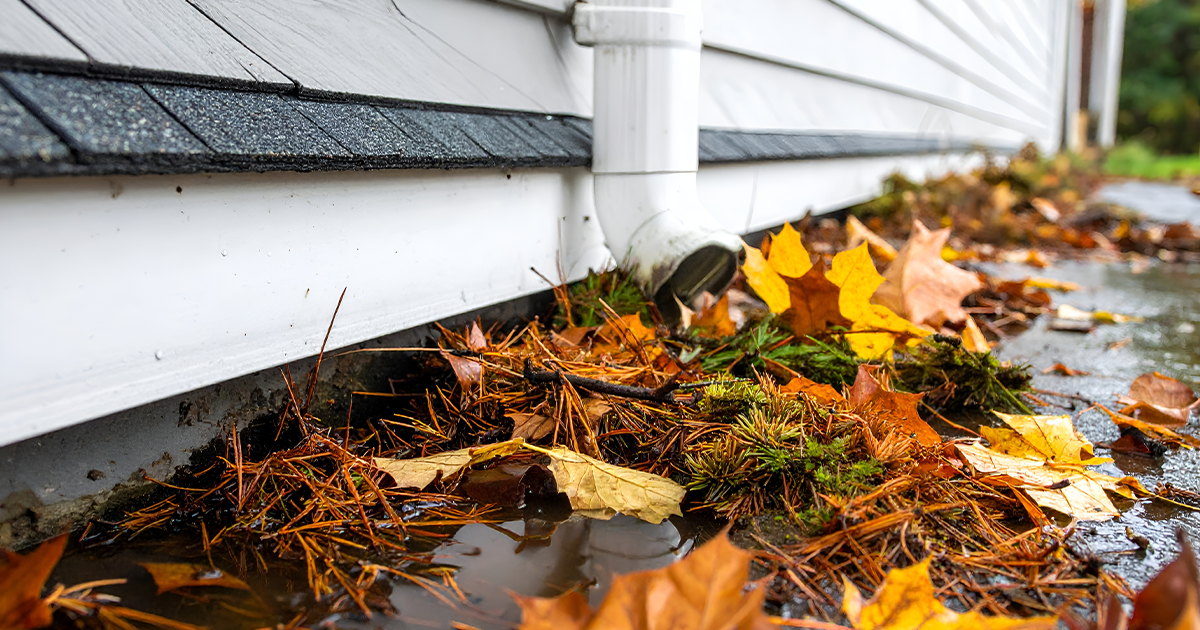
Fall is the most important season for property maintenance in Ontario, and it is the one most homeowners overlook. Once snow covers the ground, drainage and grading problems become invisible, but they do not go away. They get worse. Water that cannot drain properly in the fall will freeze, expand, and cause damage all winter long, then reveal itself in dramatic fashion during the spring thaw.
Taking a few deliberate steps before the ground freezes can prevent a long list of expensive spring surprises. Here is what to check and fix now.
Why Fall Is the Critical Window
Once the ground freezes, it becomes extremely difficult to regrade, excavate, or correct drainage issues until spring thaw. That means any problems present in October stay locked in place all winter, often getting worse with every freeze-thaw cycle. Addressing grading and drainage issues now, while the ground is still workable, prevents months of accumulated damage.
This is especially important if you have already noticed any of the common signs of a drainage problem on your property over the summer. A problem that was a minor nuisance in July becomes a serious risk once winter sets in.
Step-by-Step: Preparing Your Property's Drainage for Winter
Walk your property after the next rainfall. Look for any areas where water pools and does not drain within a few hours. Note these locations specifically, since they are the areas most likely to cause problems once frozen.
Check the grade around your foundation. The soil immediately around your home should slope away from the foundation, ideally a minimum of two percent grade over the first ten feet. If water is pooling against your foundation, this needs to be corrected before freeze-up.
Clear and extend downspouts. Downspouts should discharge water at least four to six feet away from the foundation, ideally onto a graded surface that carries it further away. Clogged or short downspouts dump water right where you do not want it.
Inspect window wells and basement entry points. These low points are common entry locations for water. Make sure they are clear of debris and that surrounding grading directs water away rather than into them.
Address any low spots in the lawn. Low spots that collect water should be filled and re-graded before the ground freezes. Once frozen, any standing water in these areas will simply turn to ice and create a hazard, then saturate the ground further during thaw.
Check retaining walls and hardscaping for drainage function. Weeping tile and drainage stone behind retaining walls need to be clear and functional heading into winter. A blocked drainage system behind a wall is one of the leading causes of wall failure, something we cover in detail in our post on what makes a retaining wall last.
Clear gutters and ensure roof drainage is directed properly. While not part of the ground itself, roof drainage feeds directly into the same grading and drainage system on the ground. Clogged gutters overflow and create exactly the kind of saturated soil conditions that cause winter problems.
What Happens When Drainage Problems Are Left Unaddressed Over Winter
Water that cannot drain properly before freeze-up creates a cascade of problems through the winter and into spring:
Ice buildup in low spots creates slip hazards on walkways and driveways
Saturated soil against foundations freezes and expands, increasing the risk of foundation cracking
Frozen, waterlogged ground around retaining walls increases hydrostatic pressure exactly when the wall is least able to handle it
Spring thaw releases all of that accumulated water at once, often overwhelming areas that seemed manageable in the fall
Lawns and garden beds in poorly drained areas are slower to recover in spring, with increased risk of fungal disease from prolonged saturation
Each of these problems is more expensive and more disruptive to fix in spring than the underlying drainage issue would have been to fix in fall.
When to Call a Professional
Simple fixes like clearing downspouts or filling minor low spots are manageable for most homeowners. But if you are dealing with significant pooling, grading that slopes toward your home, or drainage issues tied to retaining walls or hardscaping, professional grading and excavation is the right call. The same principles we apply on every project, covered in our overview of how residential excavation sets the foundation for every outdoor project, apply directly to fall drainage correction.
Fall is also the ideal time to schedule this work, since contractors are completing the season's projects and ground conditions are still workable before the first deep freeze.
We serve homeowners and property owners across Barrie, Simcoe County, Midland, Oro-Medonte, Severn, Muskoka, Vaughan, Richmond Hill, and the Greater Toronto Area.
Want a professional assessment before winter sets in? Contact Superior Property Group now. Fall scheduling fills up quickly, and addressing drainage issues before freeze-up saves significant cost and stress come spring.
Frequently Asked Questions
How late in the fall can grading and drainage work still be done? It depends on weather, but generally work can continue until the ground starts to freeze consistently, typically late November in Simcoe County and Muskoka. Booking earlier in fall gives the most flexibility.
Can drainage problems be fixed once the ground is frozen? Major excavation and grading work is very difficult once the ground freezes. Minor surface fixes like clearing debris from drains may still be possible, but structural correction needs to wait until spring thaw if missed in fall.
Will fixing fall drainage prevent all spring flooding? Proper fall preparation significantly reduces the risk of spring drainage problems, but extreme thaw events combined with heavy rain can still create temporary issues even on well-graded properties. The goal is reducing risk, not eliminating every possible scenario.
Should I be concerned about drainage if I have never had a problem before? It is still worth a quick walk-through after rain. Grading can shift gradually over years due to settling, erosion, or landscaping changes, so a property that drained fine five years ago is not guaranteed to still drain properly today.
Superior Property Group | Simcoe County, Muskoka and the GTA | superiorpropertygroup.ca
