
What Makes a Retaining Wall Last? Foundation Basics for Simcoe County Properties
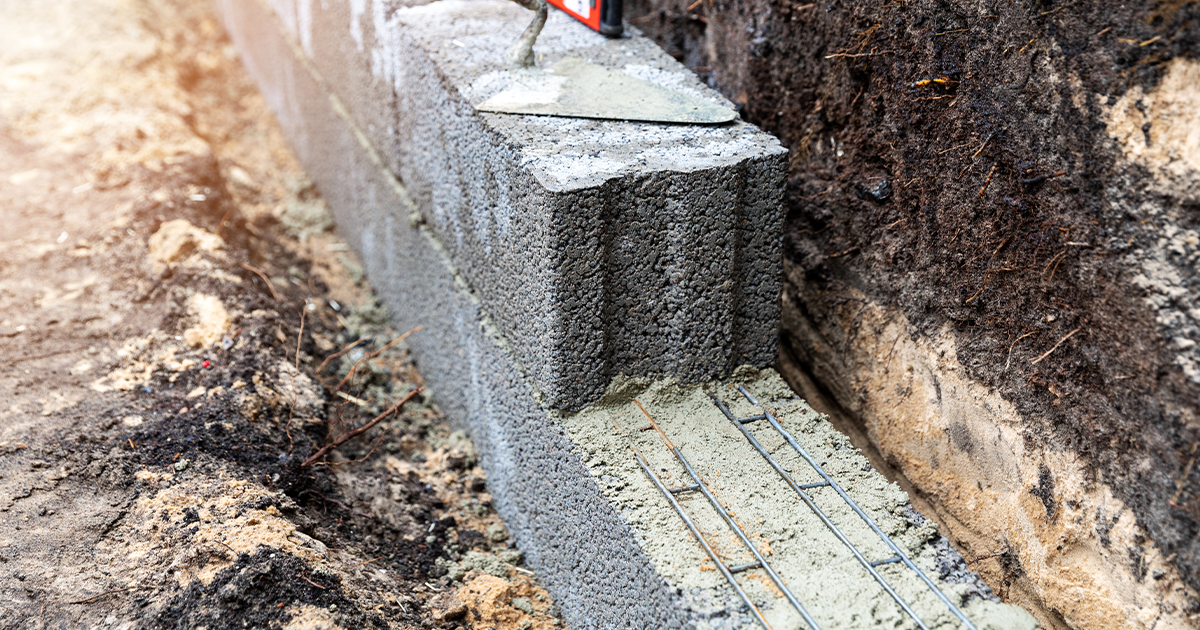
A retaining wall looks permanent. It is made of stone, concrete block, or timber, materials that feel like they should last forever. But drive through any older neighbourhood in Simcoe County or cottage country in Muskoka and you will see plenty of them leaning, cracking, or quietly falling apart, sometimes just a few years after they were built.
The difference between a retaining wall that lasts 30 years and one that fails in three almost always comes down to what happened before the first block or stone was laid. Foundation preparation, the work that happens below grade and out of sight, determines whether a wall stands or falls.
At Superior Property Group, retaining walls are one of our most requested hardscaping services, and we have seen firsthand what separates the walls that hold from the ones that do not. Here is what you need to know.
Why Retaining Walls Fail
Understanding failure modes is the first step to understanding what good construction looks like. Most retaining wall failures can be traced back to one or more root causes. This is closely related to the broader principle we cover in our post on how residential excavation sets the foundation for every outdoor project. The same logic applies here: what is underneath determines what lasts above.
Inadequate base depth
In Ontario, the frost line extends to approximately 1.2 to 1.5 metres below grade in most of Simcoe County and Muskoka. A retaining wall footing that sits above the frost line will heave every winter as the ground freezes and expands. Over several freeze-thaw cycles, this causes the wall to shift, lean, and eventually fail. No amount of quality stone on top fixes a foundation that moves.
Poor drainage behind the wall
Water is a retaining wall's biggest enemy. When water saturates the soil behind a wall and has nowhere to go, it creates hydrostatic pressure, which is the force of water pushing laterally against the wall face. Without proper drainage stone, filter fabric, and weeping tile behind the wall, this pressure builds until the wall bows or cracks outward. This is the most common cause of mid-wall failure, and it is the same drainage dynamic we discuss in our guide to yard drainage warning signs.
Insufficient batter
Most properly built retaining walls are designed with a slight batter, which is a backward lean into the slope being retained. This angle counteracts the soil pressure pushing against the front of the wall. Walls built perfectly vertical have no resistance to this force and are significantly more prone to tipping forward over time.
Wrong material for the load
Dry-stacked natural stone, interlocking concrete block, poured concrete, and timber all have very different structural capacities. A timber wall appropriate for a two-foot garden edge is completely unsuitable for retaining a four-foot slope behind a driveway. Matching material to load is fundamental, and it is frequently ignored in low-bid installations.
How to Build a Retaining Wall That Lasts in Ontario
A properly engineered and built retaining wall in Ontario follows a specific sequence. Skipping or shortcutting any of these steps compromises the whole structure.
Site assessment and design: Before any excavation, we assess the slope, soil type, drainage patterns, and what the wall will be supporting. This determines wall height, material selection, footing depth, and drainage design.
Excavation to proper footing depth: The base of the wall must be set below the frost line. In most Simcoe County and Muskoka locations, this means going down at least 300 to 600mm below finished grade at the wall base, with more depth for taller or more heavily loaded walls.
Compacted granular base: A layer of compacted clear gravel provides a stable, well-draining footing. This layer is critical for both levelling the base course and ensuring water moves through and away from the footing.
Drainage system installation: Behind the wall, we install a drainage zone of clean stone wrapped in filter fabric, with a perforated weeping tile at the base to carry water away laterally. This drainage system is what prevents the hydrostatic pressure buildup that destroys walls.
Wall construction with proper batter: Whether we are using natural stone, armour stone, or interlocking block, every course is laid with attention to level, batter, and bond pattern. Larger walls may include geogrid reinforcement layers for additional structural integrity.
Backfill, compaction, and finishing: Backfill is placed in compacted lifts. The surface behind the wall is graded to direct water into the drainage zone rather than against the wall face.
Material Options for Retaining Walls in Simcoe County and Muskoka
The right material depends on the wall's purpose, the site, and the look you want:
Natural fieldstone and limestone: The most naturalistic option. Suits cottage properties and rural Muskoka settings particularly well. Requires skilled placement but weathers beautifully over time.
Armour stone: Large quarried stone blocks that create bold, substantial walls. Highly durable and excellent for walls supporting significant loads.
Interlocking concrete block: Clean, modern appearance with consistent sizing. Faster to install and suitable for contemporary property styles.
Poured or precast concrete: Most appropriate for high-load structural applications. Less visually interesting but extremely durable.
When Do You Need a Retaining Wall?
If your property has a slope causing erosion, limiting usable outdoor space, or creating drainage issues, a retaining wall is likely part of the solution. Retaining walls are also frequently part of larger outdoor transformations. For a full picture of how they fit into a complete property project, see our walkthrough of transforming raw land into a finished outdoor living space.
We serve property owners across Simcoe County, Muskoka, Barrie, Midland, Oro-Medonte, Severn, Vaughan, and the GTA. Every retaining wall project starts with a site assessment and an honest conversation about the right solution for your specific slope, soil, and goals.
Dealing with a slope, erosion, or an existing wall that is starting to lean? Contact Superior Property Group for a free consultation. We will assess the situation honestly and recommend the right solution built to last through decades of Ontario winters.
Frequently Asked Questions
How long should a retaining wall last? A properly built retaining wall with adequate foundation depth, drainage, and appropriate materials should last 25 to 50 years or more. Natural stone walls with good drainage can last a lifetime. Walls that fail within 5 to 10 years almost always have a foundation or drainage deficiency.
Do I need a permit for a retaining wall in Ontario? In many Ontario municipalities, retaining walls over a certain height, commonly one metre, require a building permit. Requirements vary by municipality. Our team reviews permit requirements during project planning.
Can an existing retaining wall be repaired? It depends on the failure mode and extent of damage. Minor surface issues can often be repaired. Walls with foundation problems, significant lean, or drainage failure typically need to be fully rebuilt. We assess existing walls honestly and give clients a clear picture of what is worth repairing versus rebuilding.
What is the best stone for a retaining wall in Muskoka? Natural fieldstone and armour stone both perform exceptionally well in Muskoka's climate and complement the regional aesthetic. The best choice depends on the wall's load requirements and the look you are going for.
Superior Property Group | Simcoe County, Muskoka and the GTA | superiorpropertygroup.ca
