
Lot Clearing in Ontario: What to Expect, Permits, and Timeline
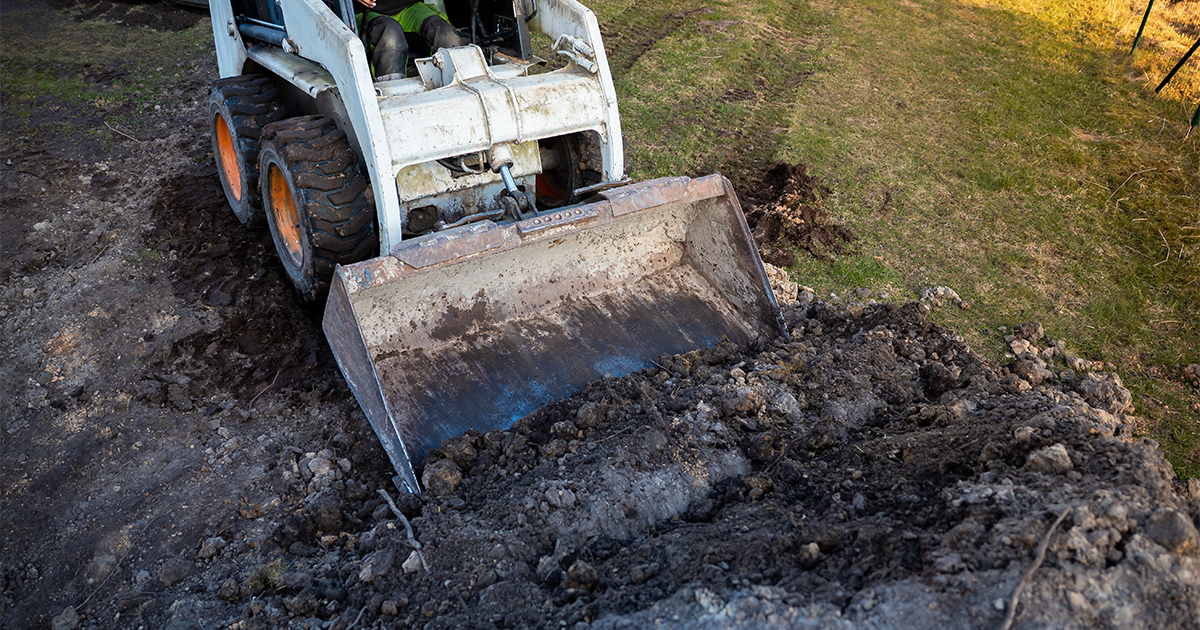
You have got the land. Maybe it is overgrown with decades of brush and scrub trees. Maybe there are mature hardwoods, stumps, and piles of debris standing between you and your vision for the property. Whether you are preparing a lot for a new home build, creating a clean yard from a wild piece of land, or developing a property in Simcoe County or Muskoka, lot clearing is where it all begins.
But lot clearing is not as simple as renting a chainsaw and getting to work. Done properly, it is a planned, strategic process that protects the surrounding environment, complies with local regulations, and sets everything that follows up for success. Here is what you need to know before you start.
What Is Lot Clearing?
Lot clearing is the process of removing trees, brush, stumps, rocks, and other vegetation from a piece of land to prepare it for construction, landscaping, or other use. It is typically the very first step in any new build or major property development project.
A professional lot clearing project may include:
Tree felling, limbing, and removal
Stump grinding or full stump removal
Brush and shrub clearing
Rock and debris removal
Initial grading to level or shape the cleared area
Lot clearing is closely tied to the excavation work that follows it. Once the vegetation is removed, the land needs to be graded and shaped properly before any construction or landscaping can begin. For a full picture of what happens after clearing, our blog on how residential excavation sets the foundation for every outdoor project covers the next phase in detail.
Do You Need a Permit to Clear a Lot in Ontario?
This is one of the most common questions we get, and the honest answer is: it depends on your municipality and the scope of your project.
In general, you may need permits or approvals for:
Removing trees over a certain diameter (many Ontario municipalities have tree preservation bylaws)
Clearing land within a regulated area near wetlands, floodplains, or conservation authority boundaries
Clearing in preparation for a building permit, where some municipalities require the clearing to be connected to an approved development plan
Large-scale clearing that could impact neighbouring properties or natural drainage patterns
Simcoe County and Muskoka both fall under various conservation authorities, including the Nottawasaga Valley Conservation Authority and the Lake Simcoe Region Conservation Authority, that regulate work near water and sensitive natural areas. These authorities may require permits or environmental approvals depending on the location of your lot.
At Superior Property Group, we help clients understand what approvals are required before any work begins. We have navigated these processes across Simcoe County, Muskoka, and the GTA, and we know how to get projects moving without costly regulatory delays.
The Lot Clearing Process: Step by Step
Here is what a professional lot clearing project typically looks like from start to finish:
Site assessment and planning: We walk the property, assess the terrain, identify any trees or features to preserve, and develop a clearing plan. Our digital planning process ensures we know exactly what we are dealing with before equipment arrives.
Permit and approval verification: If required, we confirm what permits are needed and assist with the application process.
Selective preservation: Before clearing begins, we identify trees, shrubs, or natural features the client wants to keep. Protecting the surrounding environment is a core part of how we work.
Tree removal and brush clearing: Our equipment and operators handle removal efficiently and safely, including large tree felling and thorough brush clearing.
Stump removal or grinding: Stumps are removed or ground down depending on project requirements. For construction projects, full removal is typically required.
Site cleanup and initial grading: Once clearing is complete, debris is removed and the site is graded to prepare for the next phase.
From here, the project typically transitions into excavation and grading, then hardscaping, landscaping, or construction depending on the end use. The clearing and excavation phases are interconnected, and planning both together from the start produces a more efficient, better-coordinated result.
How Long Does Lot Clearing Take in Ontario?
Timeline depends on the size of the lot, density of vegetation, terrain, and access. As a general guide:
Small residential lots under half an acre: typically one to two days
Medium lots from half to two acres: two to four days
Large or heavily wooded lots: one to two weeks or more
Dense, mature forest in Muskoka will always take longer than a scrubby overgrown field. Rocky terrain adds complexity. We walk every client through an honest timeline estimate during the planning phase.
Our Approach: Eco-Conscious Clearing
Clearing land does not have to mean destroying it. At Superior Property Group, we approach every lot clearing project with an eco-conscious mindset. That means preserving mature trees wherever possible and as directed by the client, avoiding damage to surrounding natural features and neighbouring properties, responsible handling and disposal of all cleared material, and minimizing ground disturbance beyond the required clearing area.
We are a community-based company serving Simcoe County, Muskoka, and the surrounding region. The land here matters to us, because it matters to the people who live on it.
Ready to clear your lot the right way? Contact Superior Property Group for a free site assessment. We will walk your property, give you an honest scope of work, and get your project started properly. Serving Simcoe County, Muskoka, Barrie, and the GTA.
Frequently Asked Questions
How much does lot clearing cost in Ontario? Costs vary based on lot size, terrain, vegetation density, and material handling. A small residential lot may start in the low thousands, while large or complex properties cost more. A site visit is the only reliable way to get an accurate estimate.
Can I clear my own lot in Ontario? For very small-scale brush removal, some homeowners do their own work. However, tree felling of large or mature trees is dangerous without training and equipment. Stump removal and grading almost always require professional machinery.
What happens to the trees and debris after clearing? Options include chipping brush on site for use as mulch, hauling material off site for disposal, and salvaging usable timber depending on species and condition. We discuss material handling options with every client.
Can I combine lot clearing and excavation into one project? Yes, and we recommend it. Planning clearing and excavation as a single coordinated scope produces a more efficient result and avoids the cost of mobilizing equipment twice.
Superior Property Group | Simcoe County, Muskoka and the GTA | superiorpropertygroup.ca
