
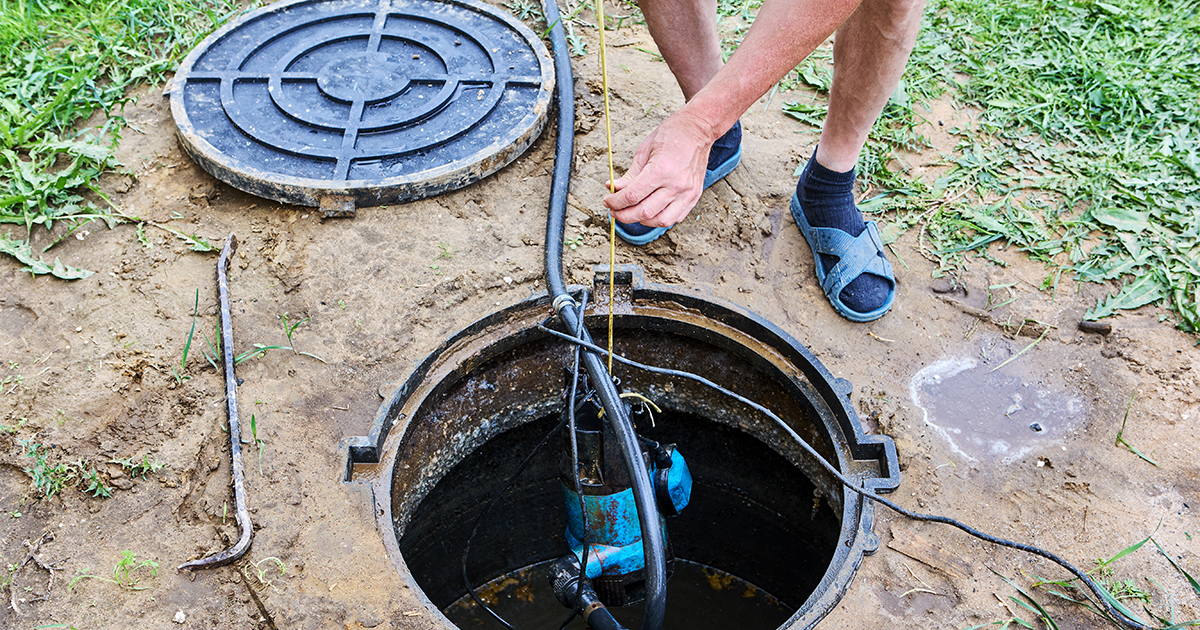
If your property is not connected to municipal sewer service, your septic system is handling every drop of wastewater your household produces. It is working continuously, underground, out of sight. Most homeowners do not think about it until something goes wrong. By then, the repair or replacement is significantly more expensive and more disruptive than the maintenance that would have prevented it.
A well-designed and properly maintained septic system can last 25 to 40 years. One that is ignored, overloaded, or poorly treated can fail in a fraction of that time. Here is what you need to know to protect yours.
How a Septic System Works
Wastewater flows from your home into a septic tank, where solids settle and are partially broken down by bacteria. The liquid effluent flows out into a leaching bed, where it percolates through the soil and is naturally treated before returning to the groundwater. The whole system depends on the right balance of bacterial activity in the tank, adequate capacity for the household's water use, and soil that can absorb and treat the effluent at the rate it arrives. We cover the full installation process in our post on what Simcoe County homeowners should know about septic system installation.
How Often Should a Septic System Be Pumped?
The most important routine maintenance task for any septic system is regular pumping of the tank. Most Ontario households need their septic tank pumped every three to five years, depending on tank size, household size, and water usage. Households with garbage disposals, high water usage, or more people than the system was designed for may need more frequent pumping.
Pumping removes the accumulated solids from the tank before they reach a level where they can flow into the leaching bed. Once solids enter the leaching bed, they clog the soil pores and the bed stops functioning. A clogged leaching bed is one of the most expensive septic failures a homeowner can face. Pumping prevents it.
What You Should and Should Not Put Down the Drain
The bacterial ecosystem in your septic tank does the work of breaking down organic waste. Anything that disrupts or kills those bacteria causes the system to underperform and eventually fail prematurely. Here is what to avoid:
Antibacterial soaps, disinfectants, and bleach in large quantities directly kill the bacteria that make the tank function
Non-biodegradable wipes, even those labelled flushable, do not break down and clog both the tank and the pipes
Cooking grease and oils solidify in the tank and build up the scum layer much faster than normal
Medications, particularly antibiotics, disrupt bacterial activity
Excessive water use in short periods, such as doing multiple large loads of laundry in a single day, can flush partially treated effluent into the leaching bed before the tank has time to process it properly
Signs Your Septic System Needs Attention
Some of these overlap with general property drainage issues. If you are seeing any of them, it is worth checking whether a drainage problem or a septic problem is at the root. Our post on yard drainage warning signs can help you separate the two:
Slow drains throughout the house that are not isolated to one fixture
Sewage odours outside near the tank or leaching bed area
Unusually lush, fast-growing grass over the leaching bed area, which indicates effluent is surfacing
Wet or soggy ground over the leaching bed that is not explained by recent rainfall
Sewage backup in toilets or drains
Any of these signs warrants a professional inspection. A system that is showing symptoms is a system that is likely to fail soon without intervention.
Protecting Your Leaching Bed
The leaching bed is the most vulnerable and most expensive part of a septic system to repair or replace. Protecting it is a priority:
Never drive vehicles or heavy equipment over the leaching bed area. Soil compaction destroys the pore structure the system depends on.
Do not plant trees or deep-rooted shrubs near the leaching bed. Root intrusion into the distribution pipes is a common cause of leaching bed failure.
Divert surface water away from the leaching bed area. A leaching bed that is receiving additional surface water is already saturated and cannot process effluent properly.
Know where your system is located. Many homeowners do not know exactly where the tank and bed are, which creates risk during any landscaping or excavation work on the property.
Soil type plays a significant role in how long a leaching bed lasts. Clay-heavy soils, which are common in parts of Simcoe County, clog more readily than sandy soils. Understanding your site's soil profile, as we cover in our post on soil types in Simcoe County, helps set realistic expectations for system lifespan and maintenance frequency.
When Maintenance Is No Longer Enough
Septic systems have a finite lifespan. If yours is more than 25 years old, or if it is showing persistent symptoms despite regular pumping and proper use, a professional evaluation may reveal that replacement is the right next step rather than continued maintenance. Replacing a failing system before it completely fails is almost always less disruptive and less expensive than emergency replacement after a full failure.
We serve homeowners and property owners across Barrie, Simcoe County, Midland, Oro-Medonte, Muskoka, Vaughan, Richmond Hill, and the Greater Toronto Area.
Have questions about your septic system or thinking about replacement? Contact Superior Property Group. We handle septic installation and excavation across Simcoe County and Muskoka, and we are happy to assess what your system needs.
Frequently Asked Questions
How do I know when my septic tank was last pumped? If you do not have records, contact a local septic pumping company for an inspection. They can assess the current solids level and give you a recommendation on whether pumping is needed now.
Can septic additives replace regular pumping? No. Additives that claim to eliminate the need for pumping are not a substitute for physically removing accumulated solids. Regular pumping remains the most important maintenance task.
Does cold weather affect septic system function? Ontario winters can slow bacterial activity in the tank. A properly functioning system handles this well. A system that is already stressed going into winter, from neglect or overloading, is more vulnerable to cold-weather problems.
What is the average cost to pump a septic tank in Ontario? Pumping costs vary by tank size, access, and location, but most residential septic tanks in Simcoe County and Muskoka can be pumped for a few hundred dollars. This cost is significantly less than any repair or component replacement.
Superior Property Group | Simcoe County, Muskoka and the GTA | superiorpropertygroup.ca
