
The Homeowner's Guide to Outdoor Patios and Walkways That Last
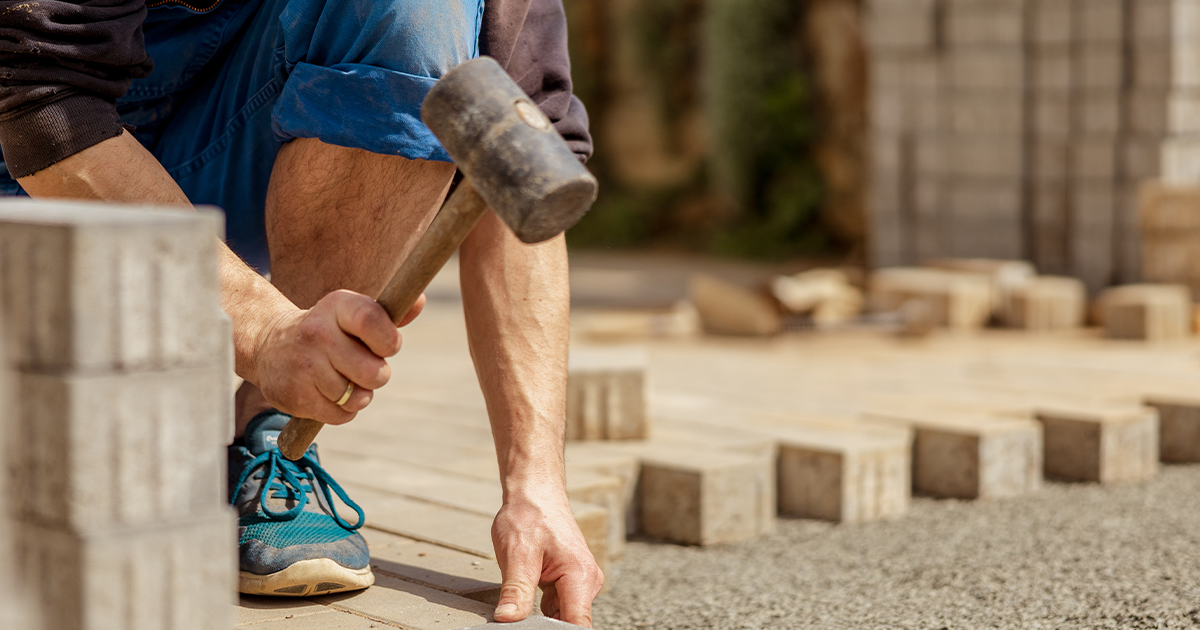
A well-built patio or walkway is one of the most satisfying outdoor investments a homeowner can make. It adds usable space, improves the look of the property, and, when done right, requires almost no maintenance for decades. A poorly built one is a different story entirely. Shifting pavers, heaving edges, pooling water, and crumbling joints are all symptoms of the same root problem: the work that should have happened underneath the surface was skipped or done wrong.
Here is what you need to know as a homeowner to make sure your patio or walkway investment holds up through Ontario's winters and looks as good in year fifteen as it did the day it was finished.
Why Most Patios Fail in Ontario
Ontario's freeze-thaw cycle is relentless. Between late fall and early spring, surface temperatures cross the freezing point dozens of times. Any water that has infiltrated the base layer or the joints between pavers freezes, expands, and moves material. Over multiple seasons, this creates the familiar pattern of heaved, uneven, and shifted hardscaping that shows up on properties across Simcoe County and Muskoka within a few years of installation.
The cause is almost never the pavers themselves. It is the base they are sitting on. This is the same principle that applies to driveways, retaining walls, and every other hardscaping structure we install. As we cover in our breakdown of hardscaping vs landscaping, the finished surface is the last thing to think about. The base is where the work actually happens.
The Anatomy of a Patio or Walkway That Lasts
Proper excavation depth
The first step is excavating to the appropriate depth for both the frost conditions in your area and the load the surface will carry. In most of Simcoe County and Muskoka, a properly prepared patio base requires excavating 8 to 12 inches below the finished surface level. This depth creates enough room for the base layers that separate the paving surface from native soil and frost influence. The same excavation principles that apply here are what we cover in our overview of how residential excavation sets the foundation for every outdoor project.
Grading for drainage
A patio should never be perfectly flat. A slight grade away from the house, typically around two percent, ensures that water drains off the surface rather than pooling on it. Water that sits on paving surfaces infiltrates joints, saturates the base below, and accelerates the freeze-thaw damage cycle. Getting the grade right at the excavation stage is what prevents this.
Compacted granular base
Once excavated and graded, the subgrade is compacted and then covered with compacted granular base material, typically crushed stone, placed in lifts. This is the structural layer of the patio. It distributes load, provides drainage, and resists frost movement. The compaction quality of this layer is one of the most important variables in how long the finished surface lasts. A base that looks solid but was not properly compacted will settle unevenly under load.
Bedding layer
On top of the compacted base, a thin bedding layer, typically coarse sand or high-performance bedding material, provides a level, fine-tuned surface for the pavers to sit on. This layer is screeded to precise grade before any paving begins.
Edge restraints
The edges of a patio or walkway are its most vulnerable points. Without solid edge restraints, pavers at the perimeter have nothing to push against and gradually migrate outward over time. Proper edge restraint installation is a non-negotiable part of any well-built hardscaping project.
Quality jointing material
The joints between pavers are filled with jointing sand or polymeric sand. Polymeric sand hardens once wet and resists weed growth and ant intrusion, which are two of the most common complaints from patio owners over time. Using the right jointing material and installing it correctly adds years to how long the surface stays looking sharp.
Material Choices for Patios and Walkways in Ontario
The right material depends on the aesthetic you want, the load the surface will carry, and the surrounding landscape. Here is a straightforward overview:
Interlocking concrete pavers: Versatile, durable, and available in a wide range of colours and patterns. Individual pavers can be replaced if damaged, making repairs simple. The most common choice for residential patios in Simcoe County and Barrie.
Natural stone: Limestone, granite, and flagstone all perform well in Ontario's climate and look exceptional on Muskoka properties where they complement the regional landscape. Higher cost but outstanding long-term value.
Armour stone and boulders: Often used for feature elements, steps, and statement walls alongside patio spaces. Pairs naturally with the Canadian Shield terrain common throughout Muskoka.
On sloped properties, patios and walkways often need to be combined with retaining walls to create the level surfaces required. Our post on how grading and retaining walls can transform a sloped property covers how these elements work together as part of a complete project.
What to Ask Your Contractor Before Work Begins
How deep will you excavate, and why?
What base material are you using and how many inches will be compacted?
How is the patio graded to drain away from the house?
What edge restraint system are you using?
What jointing material will be used and why?
A contractor who cannot answer these questions clearly is telling you something important about their process. A contractor who answers them with confidence is one you can trust with the work.
We serve homeowners across Barrie, Simcoe County, Midland, Oro-Medonte, Muskoka, Vaughan, Richmond Hill, and the Greater Toronto Area.
Planning a patio or walkway project? Contact Superior Property Group for a free consultation. We will assess the site, walk you through the material options, and build a plan that delivers a finished surface you will still be happy with decades from now.
Frequently Asked Questions
How long should a properly installed patio last in Ontario? A patio built with proper base preparation and quality materials should last 25 years or more with minimal maintenance. Many natural stone patios last several decades.
Can I install a patio myself? Small, simple patios can be a DIY project for experienced homeowners. However, base preparation, proper grading, and compaction are difficult to achieve without the right equipment, and mistakes at this stage are costly to fix after the surface is installed.
What is the best time of year to install a patio in Ontario? Late spring through early fall is the ideal installation window. The ground needs to be fully thawed and conditions dry enough to compact the base properly. Planning the project in winter or early spring secures your spot on the schedule.
How do I fix a patio that is already heaving or settling? Minor settling can sometimes be addressed by lifting and resetting individual pavers with added bedding material underneath. Widespread heaving or sinking indicates a base problem that requires removing the surface and correcting the base properly before reinstalling.
Superior Property Group | Simcoe County, Muskoka and the GTA | superiorpropertygroup.ca
